
The Art of Design: Where Style Meets Purpose
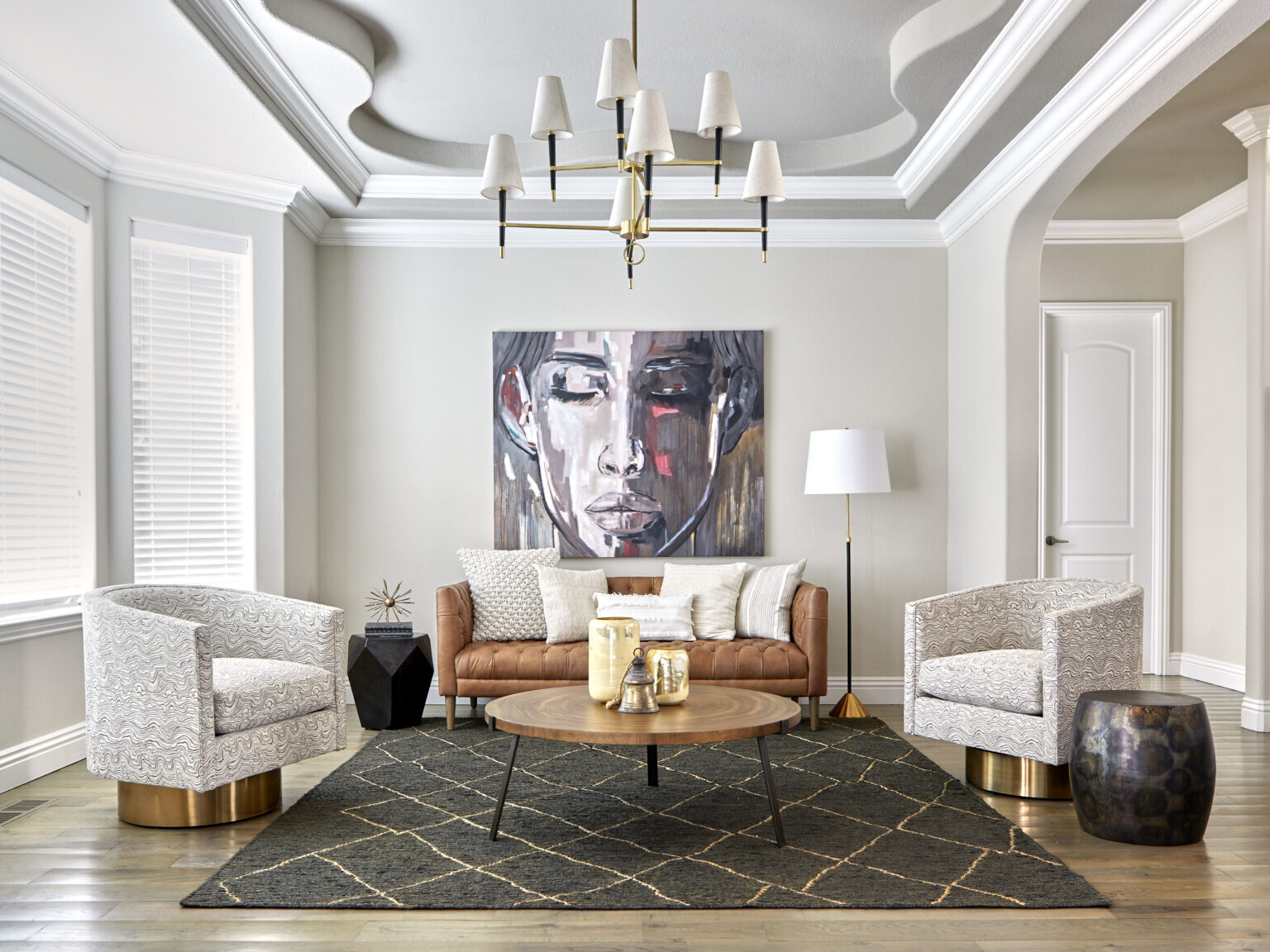
The Art of Design: Where Style Meets Purpose
Design is all around us. It shapes the clothes we wear, the spaces we live in, the products we use and the way we experience the world. At its best, design brings together appearance and purpose, creating something that is not only pleasing to look at but also practical, thoughtful and lasting.
More Than Appearance
Good design goes beyond colour, pattern or shape. It considers how something will be used, who it is for and how it should feel. A well-designed garment, for example, balances cut, fabric and comfort. In a room, furniture, lighting and materials work together to create an atmosphere while making the space useful.
This balance between form and function is central to the design process. An object may look striking, but if it is difficult to use, it has not fully succeeded. Equally, something practical can feel more inviting when care has been given to its details.
The Role of Inspiration
Designers find inspiration in many places: nature, architecture, art, history and everyday life. A particular colour palette might come from a landscape, while a shape or texture may recall a much-loved piece of furniture or clothing. These influences can be reimagined to create work that feels both familiar and fresh.
Personal taste also plays an important part. Some people are drawn to clean lines and understated colours; others prefer bold patterns and expressive details. There is no single approach that suits everyone. The most successful choices are those that feel considered and reflect the needs and character of the people who use them.
Design That Lasts
Trends can offer new ideas, but thoughtful design is not dependent on novelty. Durable materials, versatile shapes and careful construction can help a product remain useful and appealing over time. This approach encourages people to choose items they value rather than replace them simply because fashions have changed.
Lasting design also involves considering the resources used to make a product and what happens to it at the end of its life. Choosing quality, repairing where possible and avoiding unnecessary waste are practical ways to make more considered decisions.
A Personal Expression
Design is both a creative discipline and a form of communication. The choices made in a home, a wardrobe or a workspace can express personality and priorities. A favourite colour, a well-used chair or a thoughtfully chosen accessory can give an everyday setting a distinctive character.
Ultimately, good design makes life work a little better. It can bring clarity, comfort and enjoyment to ordinary routines, while adding beauty to the things we see and use each day. By paying attention to detail and choosing with purpose, anyone can bring thoughtful design into their surroundings.
The 9 Benefits of Design: Enhancing Usability, Aesthetics, and Everyday Experiences
- Improves usability
- Enhances visual appeal
- Makes spaces more functional
- Communicates ideas clearly
- Reflects personal style
- Encourages creativity
- Can improve accessibility
- Creates lasting value
- Makes everyday experiences more enjoyable
Balancing Cost, Timeliness, and Functionality: The Challenges of Modern Design
- Good design can be expensive.
- Trends can quickly feel dated.
- Style may sometimes outweigh practicality.
Improves usability
Good design improves usability by making products, spaces and services easier and more intuitive to use. Clear layouts, comfortable shapes and well-placed features help people understand what to do without unnecessary effort. When design considers users’ needs, it can save time, reduce frustration and make everyday tasks more accessible and enjoyable.
Enhances visual appeal
Design enhances visual appeal by bringing together colours, shapes, textures and details in a considered way. A thoughtfully designed product, space or outfit can feel more inviting, polished and distinctive, creating a positive impression at first glance. Visual appeal is not simply about decoration: when design choices suit the purpose and character of something, they can make it more enjoyable to use and easier to connect with.
Makes spaces more functional
Good design makes spaces more functional by arranging furniture, lighting and storage to suit the way people use them. A thoughtful layout can improve movement, make everyday items easier to reach and help a room serve several purposes without feeling cluttered. Whether it is a compact home office or a busy family kitchen, practical design helps make the most of available space and supports daily routines.
Communicates ideas clearly
One of design’s greatest strengths is its ability to communicate ideas clearly. Through thoughtful choices in layout, colour, imagery and typography, design can guide attention and make information easier to understand. Whether it is a website explaining a service or a product label sharing essential details, clear design helps people find what they need quickly and grasp the message with confidence.
Reflects personal style
Design offers a simple way to reflect personal style and express individuality. From choosing colours and fabrics to selecting shapes, patterns and finishing touches, each decision can show what someone enjoys and values. Whether creating a distinctive home, choosing an outfit or styling a favourite space, thoughtful design helps make everyday surroundings feel personal, comfortable and uniquely yours.
Encourages creativity
Design encourages creativity by inviting people to explore ideas, experiment with colours and materials, and find fresh ways to solve problems. Whether arranging a room, creating a garment or developing a product, the process leaves room for imagination and personal expression. It can also inspire others to look at familiar things differently, turning practical choices into opportunities for originality.
Can improve accessibility
Thoughtful design can make products, spaces and services more accessible to people with different abilities and needs. Clear signs, easy-to-read text, step-free entrances, adjustable controls and intuitive layouts can remove barriers and make everyday experiences easier to navigate. When accessibility is considered from the start, rather than added as an afterthought, design can help more people take part independently and with confidence.
Creates lasting value
Good design creates lasting value by combining quality, usefulness and timeless appeal. When an item is thoughtfully made from durable materials and designed to work well over time, it can remain useful and attractive long after passing trends have changed. This can make it a worthwhile investment, reduce the need for frequent replacements and encourage a more considered approach to buying.
Makes everyday experiences more enjoyable
Good design can make everyday experiences more enjoyable by making ordinary tasks feel easier, more comfortable and more satisfying. A thoughtfully arranged room, a well-fitting coat or a simple, intuitive product can save time and reduce frustration while adding a touch of beauty to daily life. When practical details and attractive design work together, even familiar routines can feel more pleasant.
Good design can be expensive.
Good design can be expensive because it often requires skilled work, quality materials, careful testing and more time to develop. These costs may be reflected in the final price, making well-designed products less accessible to people on tighter budgets. While a higher price can sometimes mean greater durability or better performance, it does not always suit every customer, so it is worth comparing options and considering which features are most important.
Trends can quickly feel dated.
One drawback of design is that trends can quickly feel dated. A style that seems fresh and exciting today may look out of place a few years later, encouraging people to replace items that are still perfectly usable. This can lead to unnecessary expense and waste, particularly when short-lived trends are prioritised over timeless appeal, quality and practicality.
Style may sometimes outweigh practicality.
A drawback of design is that style can sometimes take priority over practicality. An item may look striking or follow the latest trend, yet prove uncomfortable, difficult to use or poorly suited to everyday needs. When appearance is valued above function, people may find that the design fails to deliver lasting comfort or usefulness. The best designs balance visual appeal with practical purpose.