
Evening Gowns: How to Choose the Perfect Dress for Any Special Occasion
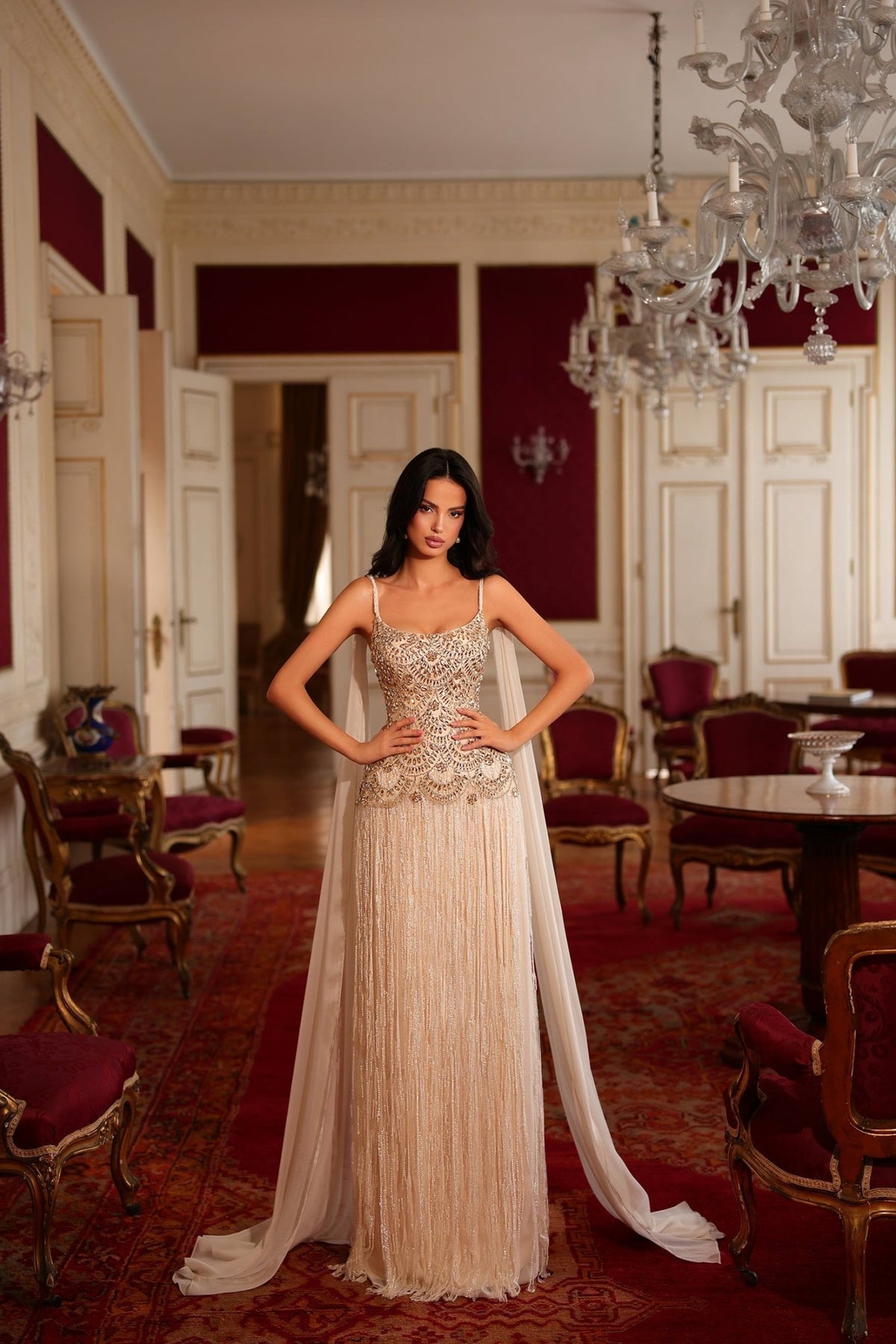
Evening Gowns: A Guide to Choosing the Perfect Dress
An evening gown is more than an outfit for a special occasion. It can help set the tone for the evening, reflect your personal style and make you feel confident from the moment you arrive. Whether you are dressing for a formal dinner, a wedding reception, a charity event or a black-tie celebration, the right gown balances comfort, occasion and individual taste.
Choosing a Style
Evening gowns come in many silhouettes. A classic A-line shape is gently fitted through the bodice and flows out towards the hem, making it a versatile option for a range of occasions. A column gown creates a long, streamlined look, while a fit-and-flare design follows the shape of the body before widening at the skirt. For a more dramatic effect, a ballgown offers a fitted bodice and a full skirt.
Necklines and sleeve details can also change the feel of a dress. A V-neck may create an elegant, elongated line, while a bateau neckline offers a more understated finish. Sleeveless, capped-sleeve and long-sleeve designs each bring a different balance of coverage and formality. Choose details that feel comfortable as well as flattering.
Finding the Right Fabric and Colour
Fabric affects both the appearance and feel of an evening gown. Satin and silk often have a smooth, lustrous finish, while chiffon and georgette create a lighter, flowing effect. Velvet can feel especially suited to cooler months, and lace adds texture and detail. Consider the season, venue and length of the event when choosing a material.
Colour is another opportunity to express your style. Deep jewel tones, classic navy and black are popular choices for formal occasions, while softer shades can feel fresh for spring and summer events. If the invitation includes a dress code, use it as a guide. For weddings, it is also considerate to avoid colours that may be reserved for the wedding party.
Fit and Comfort Matter
A beautiful gown should allow you to move, sit and enjoy the occasion. Check that the bodice feels secure without being restrictive and that the hem works with the shoes you plan to wear. If alterations are needed, allow enough time for fittings before the event. Small adjustments to the length or waist can make a noticeable difference to how a gown sits.
Styling Your Evening Gown
Accessories can complete an outfit without competing with the dress. For a gown with intricate beading or a bold neckline, simple jewellery may be all that is needed. A more minimal dress can be paired with statement earrings, a bracelet or a distinctive clutch. Choose shoes that suit the formality of the event and are comfortable enough for the evening.
A wrap, tailored jacket or elegant coat can provide extra warmth on the way to and from the venue. Consider how each layer works with the gown’s neckline and silhouette, and make sure it can be removed easily when indoors.
Care and Storage
Always check the care label before cleaning an evening gown. Delicate fabrics and embellishments may require professional cleaning. After wearing the dress, air it out and store it in a clean, dry place. A breathable garment bag can help protect it from dust, while padded hangers may help preserve the shape of the shoulders.
The perfect evening gown is one that suits the occasion and feels like you. By considering its silhouette, fabric, colour and fit, you can choose a dress that looks polished and lets you enjoy the event with confidence.
Evening Gown FAQs: Choosing, Styling and Caring for Your Dress
- What should I wear under an evening gown?
- How do I choose the right evening gown for my body shape?
- What is the difference between an evening gown and a formal dress?
- Which shoes and accessories go best with an evening gown?
- How long should an evening gown be?
- How should I clean and store an evening gown?
What should I wear under an evening gown?
What to wear under an evening gown depends on the dress’s fabric, cut and level of coverage. Seamless underwear in a close match to your skin tone can help create a smooth finish, while a strapless or convertible bra may suit gowns with unusual necklines. For low-back or sheer designs, consider discreet options such as adhesive cups or specialist lingerie, checking that they feel secure and comfortable before the event. Shapewear is optional; choose a breathable style that allows you to sit and move easily. Always try your chosen layers on with the gown in advance to check for visible lines, straps or seams.
How do I choose the right evening gown for my body shape?
Choose an evening gown that makes you feel comfortable and confident, rather than focusing on strict rules about body shape. Consider which features you would like to highlight and look for a silhouette that suits your preferences: an A-line gown offers gentle definition through the waist, while a column style creates a streamlined look and a wrap design can be adjusted for a more personalised fit. Pay attention to the neckline, fabric and length, and try on different styles where possible. The right fit and freedom to move matter just as much as the shape of the dress.
What is the difference between an evening gown and a formal dress?
An evening gown is a type of formal dress, usually a long, elegant style worn for evening events such as black-tie dinners, galas or formal receptions. A formal dress is a broader term: it can include evening gowns as well as shorter dresses and other refined styles suitable for occasions with a formal dress code. The best choice depends on the event, its dress code, time and venue.
Which shoes and accessories go best with an evening gown?
The best shoes and accessories depend on the gown’s style, colour and level of detail. Classic heels or elegant flats can both work well; choose a pair that complements the dress and feels comfortable enough for the occasion. A clutch, delicate jewellery and a simple wrap add a polished finish. If the gown features bold embellishments or a striking neckline, keep accessories understated; with a simpler design, statement earrings or a bracelet can add interest.
How long should an evening gown be?
An evening gown should generally skim the floor or sit just above it when you’re wearing the shoes you plan to pair with it. The hem should allow you to walk comfortably without stepping on the fabric, while still creating an elegant, floor-length look. For outdoor events or occasions with lots of movement, a slightly shorter hem can be more practical; a tailor can adjust the length to suit your height, footwear and the dress’s style.
How should I clean and store an evening gown?
Always check the care label before cleaning an evening gown, as delicate fabrics, beading and embellishments may need professional dry cleaning. Treat small marks promptly, but avoid rubbing or using stain removers unless the label confirms they are suitable. After wearing the gown, let it air before storing it in a cool, dry place, away from direct sunlight. Use a breathable garment bag and a suitable padded hanger, or fold the gown carefully if hanging could stretch the fabric. Keep accessories separate to prevent snags, and check the gown occasionally for signs of damp or damage.