
Dressing to Impress: The Art of Choosing What to Wear
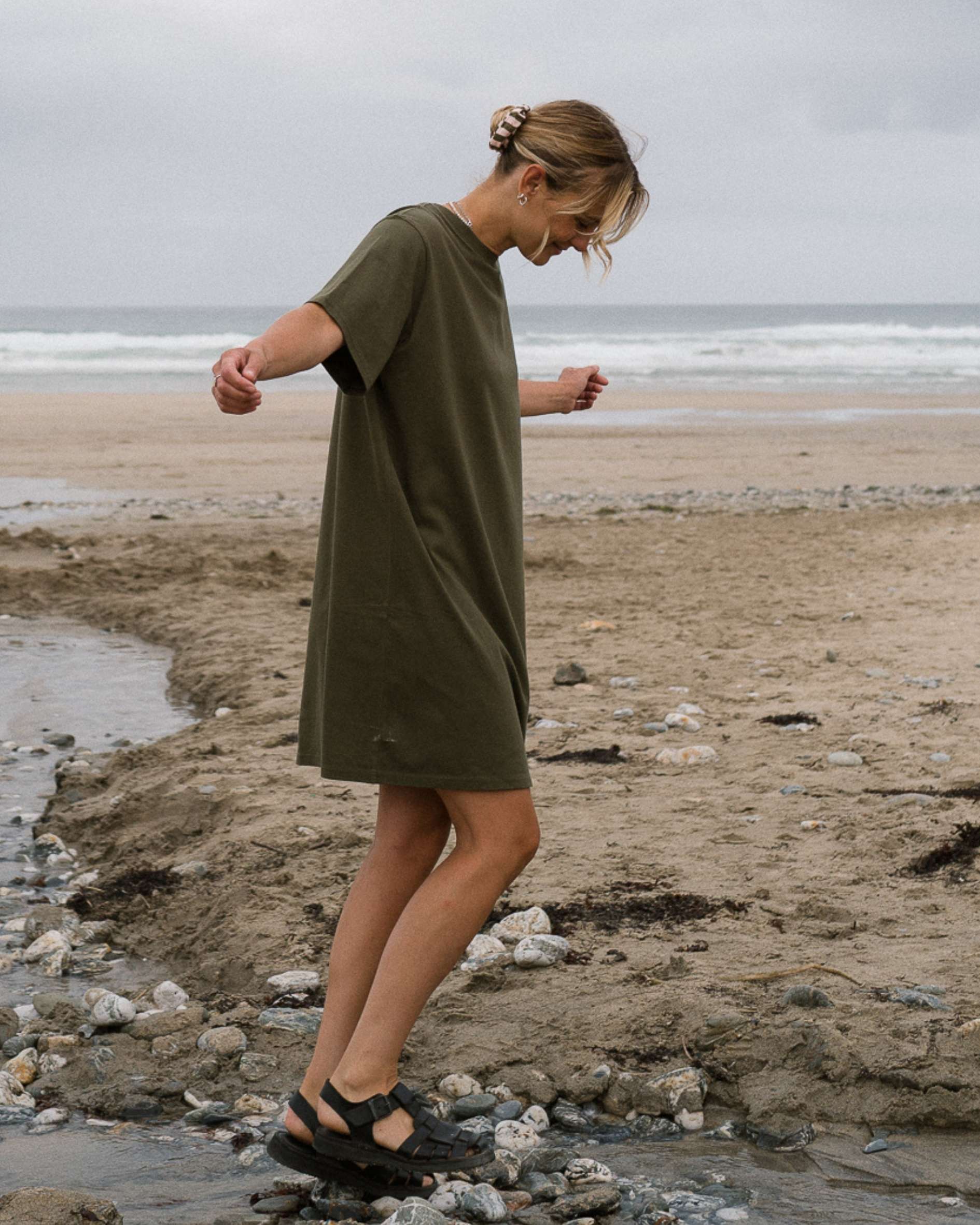
The Importance of Wearing Clothes
Clothing is not just a basic necessity; it is a form of self-expression, cultural identity, and protection. The act of wearing clothes goes beyond covering our bodies; it plays a significant role in how we present ourselves to the world and how we perceive others.
Self-Expression
What we choose to wear reflects our personality, mood, and individual style. Whether we opt for casual attire, formal wear, or trendy fashion pieces, our clothing choices communicate a message about who we are and what we value. From bold colours to classic silhouettes, every outfit tells a story.
Cultural Identity
Clothing is deeply intertwined with culture and tradition. Different regions and communities have distinct clothing styles that reflect their heritage and beliefs. Traditional garments often carry symbolic meanings and connect individuals to their roots. By wearing cultural attire, people celebrate their identity and honour their heritage.
Protection and Comfort
Aside from aesthetics, clothes serve a practical purpose by providing protection from the elements. They shield us from harsh weather conditions, UV rays, and environmental hazards. Additionally, well-fitted garments enhance comfort and mobility, allowing us to move freely throughout our daily activities.
Social Significance
In social settings, clothing plays a crucial role in making first impressions and conveying social status. Dress codes define appropriate attire for various occasions, signalling respect for traditions and etiquette. Additionally, fashion trends create opportunities for individuals to connect over shared interests and personal style preferences.
Conclusion
Wearing clothes is not merely a mundane task; it is an art form that empowers us to express ourselves creatively while respecting our cultural heritage and embracing practicality. By understanding the significance of clothing beyond its utilitarian function, we can appreciate the diverse ways in which fashion influences our lives.
The Benefits of Wearing Clothes: Protection, Expression, and Cultural Connection
- Clothes provide protection from the elements, such as rain, wind, and sun exposure.
- Wearing clothes helps maintain modesty and societal norms regarding appropriate attire.
- Clothing allows individuals to express their personal style and creativity.
- Different outfits can boost confidence and make individuals feel more empowered.
- Appropriate clothing choices can enhance professionalism in work environments.
- Fashionable attire can create a positive first impression in social interactions.
- Well-fitted clothes contribute to comfort and ease of movement throughout the day.
- Cultural garments help preserve traditions and connect people to their heritage.
The Downsides of Clothing: Restriction, Maintenance, and Environmental Concerns
- Clothes can be restrictive and limit freedom of movement.
- Wearing clothes requires regular washing and maintenance to keep them clean and in good condition.
- Ill-fitting clothes can be uncomfortable and cause physical discomfort.
- Certain fabrics or materials used in clothing may cause skin irritation or allergies.
- Fashion trends often change rapidly, leading to pressure to constantly update one’s wardrobe.
- Some clothing items are expensive, making it challenging for individuals on a tight budget to afford new garments.
- Environmental impact
Clothes provide protection from the elements, such as rain, wind, and sun exposure.
Clothes play a vital role in safeguarding our bodies from the unpredictable elements of nature, including rain, wind, and sun exposure. By wearing appropriate attire, we create a barrier that shields us from harsh weather conditions and potential harm. Raincoats keep us dry during downpours, while sturdy jackets offer insulation against chilly winds. Additionally, clothing with UV protection helps prevent sunburn and long-term skin damage caused by excessive sun exposure. Ensuring that we dress suitably for the weather not only enhances our comfort but also safeguards our health and well-being against the elements’ effects.
Wearing clothes helps maintain modesty and societal norms regarding appropriate attire.
Wearing clothes is essential in upholding modesty and adhering to societal norms regarding appropriate attire. By dressing in accordance with cultural standards and expectations, individuals demonstrate respect for themselves and others. Modest clothing choices not only reflect personal values but also contribute to a sense of decorum and propriety within the community. Upholding modesty through clothing allows individuals to navigate social interactions with grace and sensitivity, promoting harmony and mutual understanding among diverse groups.
Clothing allows individuals to express their personal style and creativity.
Clothing serves as a powerful tool for individuals to showcase their unique personal style and unleash their creativity. Through the choice of colours, patterns, fabrics, and silhouettes, people can curate outfits that reflect their personality and preferences. Whether opting for bold and vibrant ensembles or understated and classic looks, clothing enables individuals to make a statement without saying a word. By experimenting with different styles and combinations, individuals can express their creativity through fashion, turning everyday outfits into works of art that embody their individuality.
Different outfits can boost confidence and make individuals feel more empowered.
Wearing different outfits can have a transformative effect on individuals, boosting their confidence and empowering them in various aspects of life. The choice of clothing can influence how we perceive ourselves and how others perceive us, shaping our self-image and enhancing our self-assurance. Whether it’s donning a sharp suit for a professional presentation or slipping into a stylish dress for a special occasion, the right outfit has the power to elevate mood, posture, and overall mindset. By expressing personal style through clothing choices, individuals can exude confidence and assertiveness, ultimately feeling more empowered to take on challenges and seize opportunities with conviction.
Appropriate clothing choices can enhance professionalism in work environments.
In work environments, appropriate clothing choices play a crucial role in enhancing professionalism and projecting a polished image. By selecting attire that aligns with the company’s dress code and industry standards, individuals can convey competence, reliability, and respect for the workplace culture. Well-chosen workwear not only reflects attention to detail but also instils confidence in both the wearer and those they interact with. Dressing professionally demonstrates a commitment to one’s role and contributes to a positive impression that can positively impact career opportunities and professional relationships.
Fashionable attire can create a positive first impression in social interactions.
Fashionable attire plays a crucial role in shaping positive first impressions during social interactions. When individuals present themselves in stylish and well-coordinated outfits, they convey a sense of confidence, attention to detail, and personal grooming. Fashionable clothing not only showcases an individual’s taste and creativity but also signals respect for the occasion and the people they are engaging with. By choosing attire that reflects current trends or personal style preferences, individuals can instantly captivate attention and leave a lasting impression of sophistication and elegance in social settings.
Well-fitted clothes contribute to comfort and ease of movement throughout the day.
Well-fitted clothes play a crucial role in enhancing comfort and facilitating ease of movement during daily activities. When garments are tailored to fit the body properly, they allow for unrestricted mobility and prevent discomfort caused by tightness or looseness. Whether navigating a busy workday or engaging in leisurely pursuits, wearing well-fitted clothes ensures that individuals can move with confidence and grace. The right fit not only promotes physical comfort but also contributes to a sense of mental ease, enabling individuals to focus on their tasks without distractions from ill-fitting attire.
Cultural garments help preserve traditions and connect people to their heritage.
Cultural garments play a vital role in preserving traditions and fostering a sense of connection to one’s heritage. By wearing traditional attire passed down through generations, individuals honour their cultural roots and celebrate the customs and values of their ancestors. These garments serve as tangible links to the past, reminding wearers of their heritage and allowing them to participate in rituals and ceremonies that have been cherished for centuries. Through the act of donning cultural clothing, people not only express pride in their background but also create a bond with others who share the same traditions, fostering a sense of unity and belonging within their community.
Clothes can be restrictive and limit freedom of movement.
Clothes, while essential for protection and self-expression, can also pose a con by being restrictive and limiting freedom of movement. Tight-fitting or constricting garments can hinder natural mobility and comfort, especially in activities that require flexibility and agility. The restriction imposed by certain clothing styles may impede individuals from moving freely and comfortably, impacting their overall physical ease and range of motion. Finding a balance between style and functionality is crucial to ensure that clothing enhances rather than restricts one’s ability to move with ease and confidence.
Wearing clothes requires regular washing and maintenance to keep them clean and in good condition.
One downside of wearing clothes is the continuous need for washing and maintenance to ensure cleanliness and longevity. Regular upkeep such as washing, ironing, and storing garments properly can be time-consuming and laborious. The process of maintaining clothes not only demands effort but also incurs additional costs for laundry detergents, dry cleaning services, and repairs. Moreover, frequent washing may contribute to wear and tear, affecting the fabric’s quality and colour over time. The necessity of ongoing care for clothing items highlights a practical challenge that individuals face in preserving their wardrobe’s condition while balancing daily responsibilities.
Ill-fitting clothes can be uncomfortable and cause physical discomfort.
Ill-fitting clothes can be a significant drawback when it comes to wearing attire. Not only do they fail to enhance one’s appearance, but they can also lead to physical discomfort and unease. Tight or loose garments can restrict movement, cause chafing, and create pressure points on the body, resulting in discomfort throughout the day. Additionally, ill-fitting clothes may impact posture and overall confidence, highlighting the importance of choosing clothing that fits well and prioritises comfort.
Certain fabrics or materials used in clothing may cause skin irritation or allergies.
Certain fabrics or materials used in clothing have the potential to cause skin irritation or allergies, posing a significant con of wearing clothes. Individuals with sensitive skin may experience discomfort, itching, or redness when exposed to certain textiles or dyes. Allergic reactions to fabrics can range from mild irritation to more severe symptoms, impacting the wearer’s comfort and well-being. It is essential for consumers to be mindful of their skin sensitivities and opt for clothing made from hypoallergenic materials to minimise the risk of adverse reactions and ensure a comfortable wearing experience.
Fashion trends often change rapidly, leading to pressure to constantly update one’s wardrobe.
Fashion trends are notorious for their rapid evolution, creating a constant pressure on individuals to keep up with the latest styles and update their wardrobes frequently. This relentless cycle of trend changes can be financially burdensome and environmentally unsustainable, as it encourages excessive consumption and disposal of clothing items. The pressure to stay current with fashion trends may also contribute to feelings of inadequacy or self-consciousness if one cannot afford or choose not to follow the latest styles. Ultimately, the fast-paced nature of fashion trends can perpetuate a culture of materialism and superficiality, overshadowing the true essence of personal style and self-expression.
Some clothing items are expensive, making it challenging for individuals on a tight budget to afford new garments.
The cost of clothing can present a significant challenge for individuals with limited financial resources. As some clothing items come with high price tags, those on a tight budget may struggle to afford new garments. This financial barrier can impact individuals’ ability to update their wardrobes, follow fashion trends, or replace worn-out clothing. The expense of certain garments can limit access to quality clothing and potentially contribute to feelings of exclusion or inadequacy in a society where appearance often carries social significance.
Environmental impact
The environmental impact of clothing is a significant concern, as the production and disposal processes contribute to pollution and waste. From the cultivation of raw materials to the manufacturing of garments, various stages in the clothing supply chain generate carbon emissions, water pollution, and chemical waste. Additionally, the disposal of unwanted clothing often leads to landfill accumulation or incineration, further exacerbating environmental harm. Addressing these issues requires a shift towards sustainable practices in the fashion industry, including eco-friendly materials, responsible production methods, and increased emphasis on recycling and circular economy models.
I’ve been exploring for a little bit for any high-quality articles or blog posts in this sort of area .
Exploring in Yahoo I ultimately stumbled upon this web site.
Reading this information So i am satisfied to exhibit that I’ve
a very excellent uncanny feeling I discovered just what I needed.
I such a lot definitely will make certain to don?t put out
of your mind this web site and give it a glance regularly.
Hello there! I could have sworn I’ve been to this website before
but after checking through some of the post I realized it’s
new to me. Nonetheless, I’m definitely delighted I found it and I’ll be bookmarking and
checking back often!