
Men’s Winter Dress Coats: A Guide to Warmth and Style
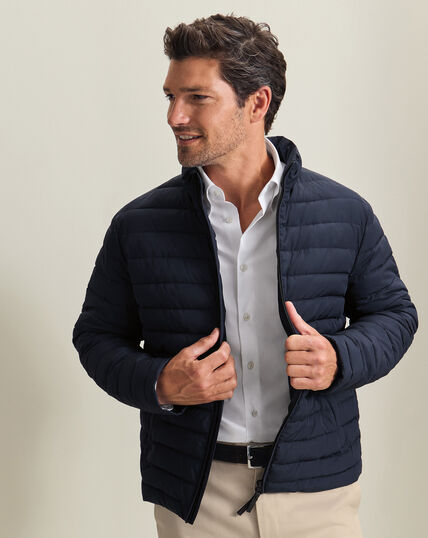
Men’s Winter Dress Coats: A Guide to Staying Warm in Style
A well-chosen winter dress coat brings warmth and polish to cold-weather outfits. Whether you’re heading to the office, dressing for a formal occasion or simply looking for a smarter layer for everyday wear, the right coat can complement your wardrobe for years. From classic wool overcoats to practical, insulated styles, there are options to suit different tastes and winter conditions.
Popular styles of men’s winter dress coats
The overcoat
The overcoat is a versatile classic, usually cut long enough to cover a suit jacket or blazer. Often made from wool or a wool blend, it offers a refined silhouette and works well with both formal and smart-casual clothing. Choose a single-breasted design for a clean, understated look, or try a double-breasted coat for a more traditional finish.
The Chesterfield coat
Recognised for its simple lines and tailored shape, the Chesterfield is a smart choice for business and formal wear. Traditional details may include a notched lapel, a single-breasted front and a concealed fastening. In a neutral colour, it pairs easily with suits, knitwear and polished footwear.
The peacoat
With its shorter length and broad lapels, the peacoat offers a slightly more relaxed alternative to a full-length overcoat. It is well suited to everyday outfits, including jumpers, shirts and dark denim. A wool or wool-blend version can provide useful warmth while retaining a smart appearance.
The insulated dress coat
For colder or wetter conditions, an insulated coat can offer extra protection without looking overly casual. Look for a neat cut, a covered fastening and a fabric designed to resist wind or light rain. A removable lining or detachable hood can add versatility, depending on the design.
Choosing the right fabric
Fabric affects a coat’s warmth, weight, feel and care requirements. Wool is a popular choice for winter dress coats because it provides insulation and has a naturally smart finish. Wool-blend fabrics may combine wool with other fibres to alter the coat’s weight, durability or price. For damp weather, check the care label and consider whether the fabric has a water-resistant finish; wool coats are not necessarily waterproof.
Also consider the coat’s lining and construction. A smooth lining can make it easier to put the coat on over a jacket, while a quilted or padded lining may add warmth. If you expect to wear the coat in very cold weather, allow enough room for a jumper or suit jacket underneath.
Getting the fit right
A dress coat should sit comfortably over the clothes you plan to wear beneath it. The shoulders should lie neatly without pulling, and the sleeves should allow comfortable movement. As a general guide, the sleeves should cover the wrists when your arms are relaxed. The coat’s length is a matter of preference: longer styles offer more coverage, while shorter designs can feel easier to wear for daily journeys.
Try the coat on with a typical winter outfit, rather than over a thin shirt alone. Button it up and move your arms to check that it does not feel restrictive. A well-fitting coat should look streamlined without being tight.
Colours and styling
Navy, charcoal, black and camel are dependable colours that work with many wardrobes. A navy or charcoal coat can be an easy match for a business suit, while camel adds warmth to neutral outfits. For a more distinctive look, consider a subtle check or textured fabric, keeping the rest of the outfit simple.
- For work: Wear a tailored overcoat over a suit, with leather boots or smart shoes.
- For weekends: Pair a peacoat with a jumper, dark jeans and sturdy footwear.
- For formal occasions: Choose a clean, classic coat that covers the hem of your jacket.
Care and storage
Always follow the care instructions on the label. Many wool coats are best taken to a professional cleaner rather than washed at home. Between wears, hang the coat on a sturdy hanger to help it keep its shape, and brush away surface dust or lint. If the coat becomes damp, let it dry naturally in a well-ventilated space, away from direct heat. Store it in a breathable garment bag during the warmer months.
Finding a coat you’ll wear season after season
The best men’s winter dress coat balances warmth, comfort and versatility. Think about your local weather, the clothes you’ll layer underneath and how often you’ll wear the coat. A classic cut in a hard-working colour is a practical starting point; thoughtful details, a comfortable fit and suitable fabric can make it a dependable part of your winter wardrobe.
7 Essential Tips for Choosing Men’s Winter Dress Coats
- Choose wool for warmth and durability.
- Pick a coat that fits over a jumper.
- Try navy, charcoal or camel for versatility.
- Check the sleeves reach your wrists.
- Look for a lining for extra warmth.
- Choose a length that suits your daily commute.
- Brush off dirt and air the coat regularly.
Choose wool for warmth and durability.
Choose wool for warmth and durability when selecting a winter dress coat. Wool helps retain heat while remaining breathable, making it comfortable for everyday wear in cold weather. A well-made wool coat can also keep its shape and appearance over time, so it’s a dependable choice for seasons to come.
Pick a coat that fits over a jumper.
Choose a men’s winter dress coat with enough room to fit comfortably over a jumper, without pulling across the shoulders or feeling tight when you move. Try it on with the layers you expect to wear, and check that the sleeves still sit neatly and the coat fastens easily. A little extra space helps trap warmth while keeping the overall shape smart and comfortable.
Try navy, charcoal or camel for versatility.
For a winter dress coat you can wear with a wide range of outfits, consider navy, charcoal or camel. Navy and charcoal pair effortlessly with suits, knitwear and smart-casual looks, while camel adds a warmer note to neutral layers. These classic colours are easy to coordinate, making them versatile choices for work, weekends and formal occasions.
Check the sleeves reach your wrists.
Check that the sleeves reach your wrists when your arms are relaxed at your sides. They should provide enough coverage to keep out the cold without extending so far that they hide your hands or look oversized. Try the coat on over the layers you expect to wear in winter to make sure the fit remains comfortable.
Look for a lining for extra warmth.
Look for a coat with a warm lining to add comfort on chilly days. Quilted or padded linings provide extra insulation, while a removable lining offers flexibility as the weather changes. Check that the coat still feels comfortable over your usual winter layers and allows you to move freely.
Choose a length that suits your daily commute.
Choose a coat length that works for your daily commute. A longer style offers extra coverage and warmth while walking or waiting outdoors, while a shorter coat may feel easier to move around in on crowded trains or buses. Consider what you wear underneath, too: an overcoat should comfortably cover a suit jacket, without restricting your movement.
Brush off dirt and air the coat regularly.
Brush off dirt and dust regularly with a soft clothes brush, using gentle strokes in the direction of the fabric. After wearing your coat, hang it on a sturdy hanger in a well-ventilated spot so it can air out and release any moisture or odours. Avoid putting it away while damp, and keep it away from direct heat to help preserve its shape and finish.