
Essential Guide to Baby Clothing: Dressing Your Little One with Style and Comfort
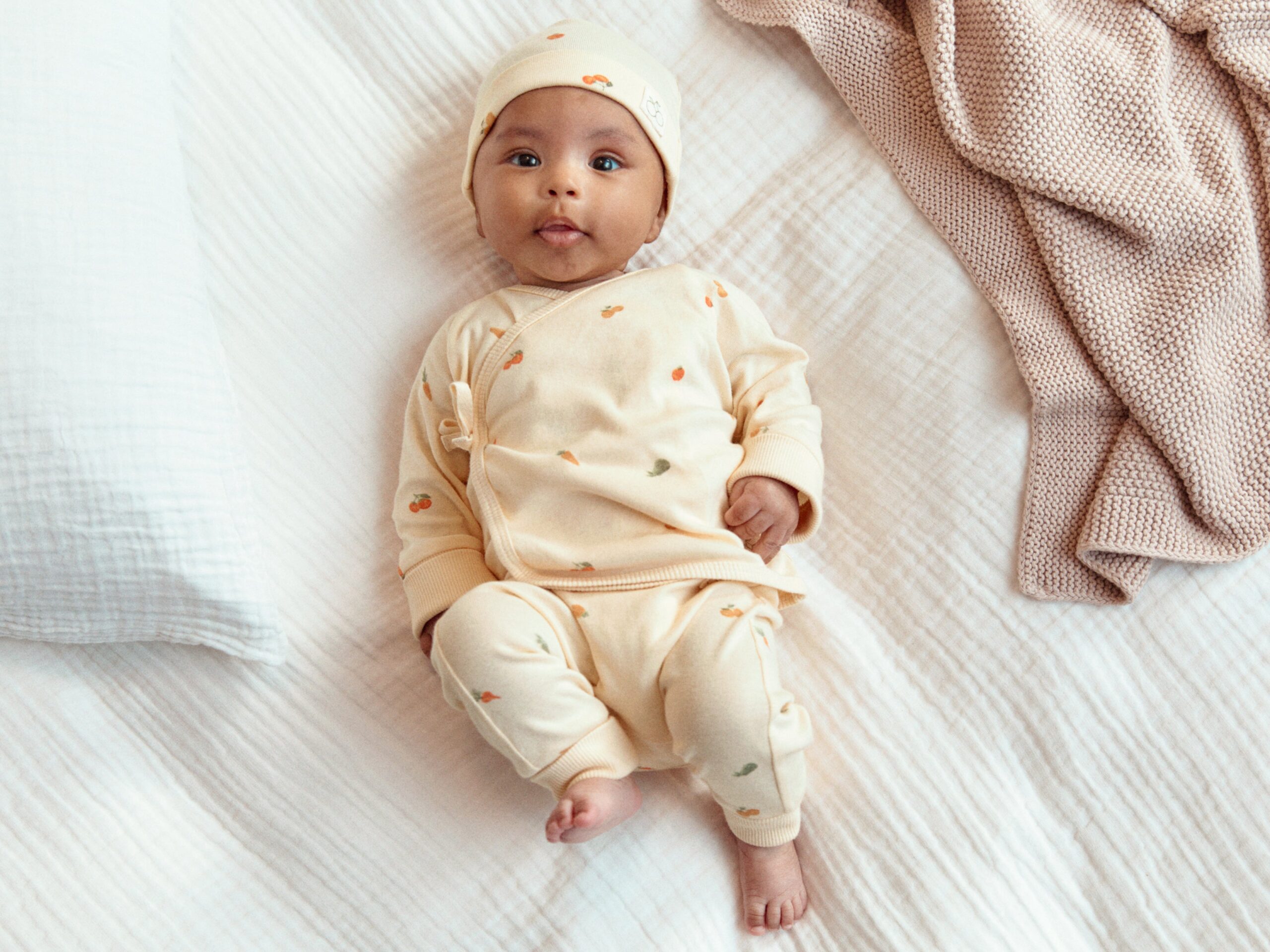
The Ultimate Guide to Baby Clothing
When it comes to dressing your little one, comfort, safety, and style are key considerations. Baby clothing plays a crucial role in keeping your baby snug and looking adorable. From onesies to booties, here is everything you need to know about dressing your bundle of joy:
Choosing the Right Fabrics
Babies have delicate skin that requires gentle care. Opt for soft, breathable fabrics like cotton and organic materials to prevent irritation and ensure maximum comfort. Avoid rough materials or those with harsh chemicals that could cause allergies or discomfort.
Essential Clothing Items
Some essential clothing items for newborns and infants include:
- Onesies: These one-piece garments are a staple in every baby’s wardrobe, providing easy access for nappy changes and keeping your baby cosy.
- Sleepsuits: Perfect for bedtime, sleepsuits keep your baby warm and comfortable throughout the night.
- Hats and Mittens: Keep your baby’s head warm with soft hats and protect their tiny hands with mittens to prevent scratching.
- Socks and Booties: Keep those little feet warm with cute socks or booties that stay put.
- Bibs: Essential for feeding time, bibs help keep your baby clean and dry.
Dressing for the Seasons
Adjusting your baby’s wardrobe according to the seasons is important to ensure they are comfortable in all weather conditions. In colder months, layering is key – opt for thermal clothing under cosy outerwear. In warmer weather, lightweight cotton outfits will help keep your baby cool and happy.
Safety Tips
When dressing your baby, safety should always come first. Here are some safety tips to keep in mind:
- Avoid clothing with small buttons or decorations that could pose a choking hazard.
- Ensure clothing fits well without being too tight or too loose to prevent accidents.
- Avoid drawstrings or loose threads that could pose a strangulation risk.
- Choose flame-resistant sleepwear for added safety during bedtime.
Cleaning and Care
To keep your baby’s clothes clean and fresh, wash them with mild detergent suitable for sensitive skin. Avoid using strong chemicals or fabric softeners that could irritate your baby’s skin. Always follow care instructions on the garment labels to maintain their quality and durability.
Dressing your little one can be a joyous experience filled with endless possibilities for cute outfits and stylish ensembles. By choosing the right fabrics, essential items, dressing for the seasons, prioritising safety, and following proper cleaning practices, you can ensure that your baby is not only well-dressed but also comfortable and safe at all times.
Essential Guide to Baby Clothing: Sizing, Care, and Safety FAQs
- 1. What size of baby clothing should I buy for a newborn?
- 2. How often should I wash my baby’s clothes?
- 3. Are there specific fabrics that are best for baby clothing?
- 4. What are the essential items I need in a newborn’s wardrobe?
- 5. How can I tell if my baby’s clothing is too tight or too loose?
- 6. Are there any safety considerations to keep in mind when choosing baby clothing?
- 7. How do I care for delicate fabrics used in baby clothing?
1. What size of baby clothing should I buy for a newborn?
When determining the size of baby clothing to buy for a newborn, it is recommended to opt for “newborn” or “0-3 months” sizes to ensure a proper fit. Newborns grow quickly in the first few weeks of life, so it’s wise to have a selection of sizes on hand. Keep in mind that every baby is different in terms of size and growth rate, so having a variety of sizes available can help accommodate your little one’s changing needs. Additionally, considering the season when your baby is due can also influence the type of clothing you purchase to ensure they are comfortable and appropriately dressed for the weather.
2. How often should I wash my baby’s clothes?
When it comes to washing your baby’s clothes, a common question that arises is, “How often should I wash my baby’s clothes?” The frequency of washing baby clothing depends on several factors, such as how often the garments are worn, any spills or stains they may have accumulated, and your baby’s sensitivity to allergens. As a general rule of thumb, it is advisable to wash your baby’s clothes after each wear to maintain cleanliness and hygiene. Babies have delicate skin that is prone to irritation, so ensuring that their clothes are fresh and free from dirt and bacteria is essential for their comfort and well-being. By regularly washing your baby’s clothes with gentle detergents suitable for sensitive skin, you can help keep them clean, soft, and safe for your little one to wear.
3. Are there specific fabrics that are best for baby clothing?
When it comes to choosing fabrics for baby clothing, there are certain materials that are considered best for ensuring the comfort and safety of your little one. Soft and breathable fabrics like cotton and organic materials are highly recommended for baby clothing. These fabrics are gentle on delicate baby skin, reducing the risk of irritation or allergies. Additionally, natural fibres allow for better air circulation, helping to regulate your baby’s body temperature and keep them comfortable throughout the day. Opting for fabrics that are free from harsh chemicals or dyes further ensures that your baby’s skin is protected and cared for. Prioritising these fabrics can help you select clothing that not only looks adorable but also provides the utmost comfort for your precious bundle of joy.
4. What are the essential items I need in a newborn’s wardrobe?
When it comes to preparing a newborn’s wardrobe, there are several essential items that every parent should consider having on hand. These include onesies, sleepsuits, hats, mittens, socks or booties, and bibs. Onesies are versatile one-piece garments that make nappy changes a breeze, while sleepsuits are perfect for keeping your baby cosy during bedtime. Hats and mittens help keep your little one warm and protect their delicate skin, while socks or booties ensure their tiny feet stay snug. Additionally, bibs are essential for feeding times to keep your baby clean and dry. By stocking up on these key items, you can ensure that your newborn is dressed comfortably and stylishly from day one.
5. How can I tell if my baby’s clothing is too tight or too loose?
When determining if your baby’s clothing is the right fit, it’s essential to pay attention to comfort and safety. If the clothing is too tight, you may notice red marks on your baby’s skin, restricted movement, or signs of discomfort such as fussiness or crying. On the other hand, if the clothing is too loose, it may pose a safety risk by potentially getting caught on objects or slipping over your baby’s face. To ensure the perfect fit, opt for clothing that allows some room for movement without being too snug or too loose. Regularly check your baby’s clothing to ensure they are comfortable and safe in their outfits.
6. Are there any safety considerations to keep in mind when choosing baby clothing?
When selecting baby clothing, it is essential to consider various safety aspects to ensure your little one’s well-being. Avoid garments with small buttons, loose threads, or decorations that could pose a choking hazard. Opt for clothing that fits well without being too tight or too loose to prevent accidents. Steer clear of items with drawstrings or cords that could present a strangulation risk. Additionally, choose flame-resistant sleepwear for added safety during bedtime. Prioritising safety considerations when choosing baby clothing will help create a secure and comfortable environment for your precious bundle of joy.
7. How do I care for delicate fabrics used in baby clothing?
Caring for delicate fabrics used in baby clothing requires gentle handling to maintain their softness and quality. When washing items made from delicate fabrics such as silk or lace, it is recommended to use a mild detergent specifically designed for sensitive skin. Always opt for a gentle cycle on your washing machine and wash similar colours together to prevent any colour bleeding. Avoid using harsh chemicals or bleach that could damage the fabric. For drying, air-drying is preferable to maintain the fabric’s integrity, and if needed, use a low heat setting on the dryer. By following these care instructions, you can ensure that your baby’s delicate clothing remains soft, comfortable, and in pristine condition for longer wear.