
Traveling Bags: How to Choose the Right Bag for Every Journey
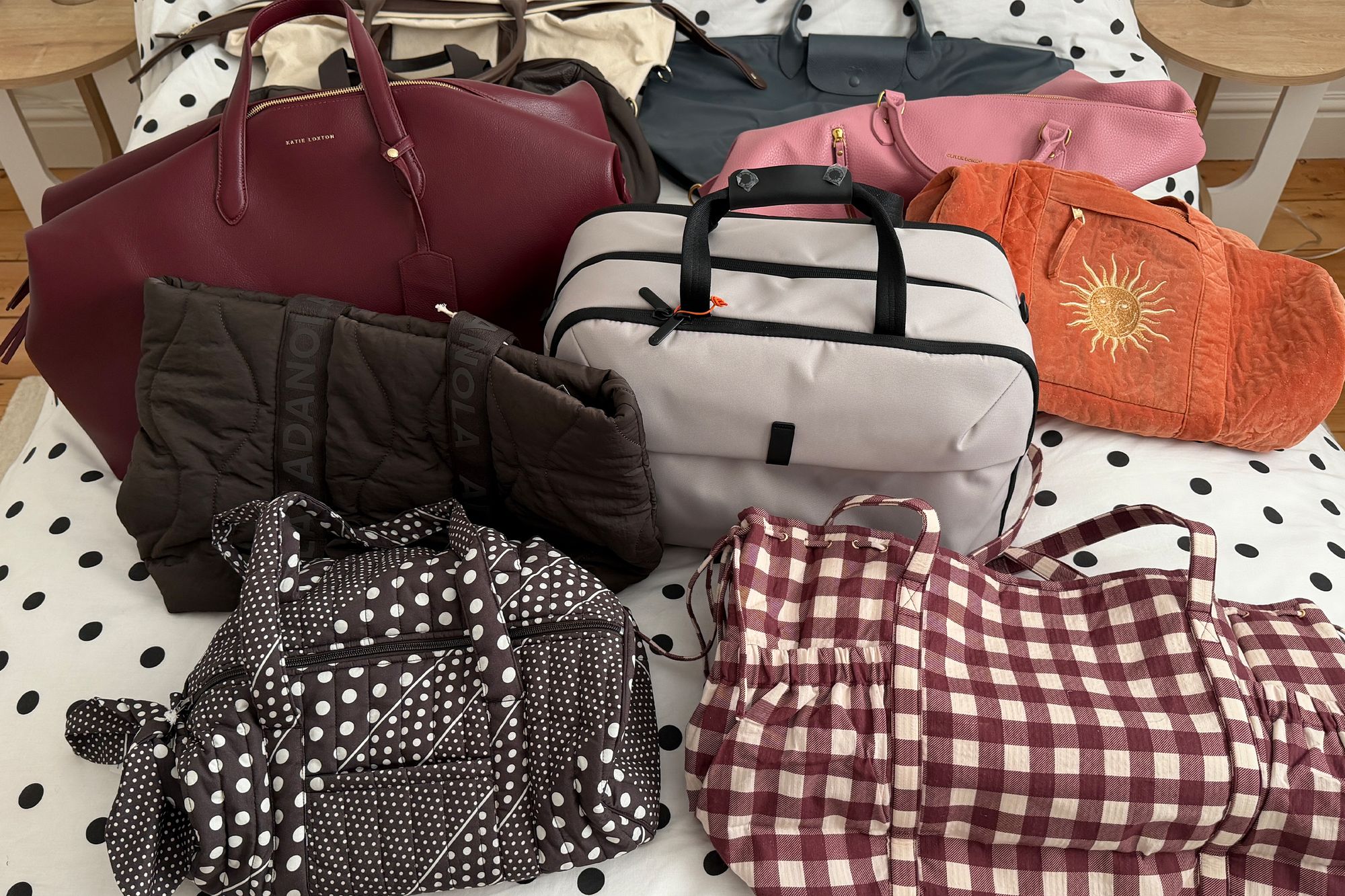
Choosing the Right Travelling Bag
A good travelling bag can make every journey easier. Whether you are heading away for a weekend, travelling for work or setting off on a longer holiday, the right bag helps keep your belongings organised and comfortable to carry. With so many styles and sizes available, it is worth thinking about how and where you will use it before choosing.
Popular Types of Travelling Bags
Suitcases
Suitcases are a practical choice for holidays and longer trips. Many have wheels and a pull handle, making them easier to move through airports and railway stations. Hard-shell cases can help protect fragile belongings, while soft-sided designs may offer useful external pockets and a little more flexibility when packing.
Holdalls and duffel bags
A holdall is often a convenient option for short breaks, gym visits or trips where you do not need a rigid case. Look for sturdy handles and an adjustable shoulder strap. Some designs include separate compartments for shoes or laundry, helping to keep the rest of your belongings tidy.
Backpacks
Backpacks are useful when you need to keep your hands free or expect to walk with your luggage. Padded shoulder straps, a supportive back panel and several compartments can make a noticeable difference to comfort and organisation. For longer journeys, consider a design with a waist strap to help distribute the weight.
Cabin bags
A cabin bag is designed to be carried on to an aircraft, but size and weight allowances vary between airlines and ticket types. Check your airline’s current requirements before travelling, and leave some room for essentials you may need during the journey.
What to Look for When Buying a Travel Bag
- Size and capacity: Choose a bag that suits the length of your trip and the amount you need to pack.
- Weight: A lighter bag is easier to lift and may help you stay within luggage limits.
- Materials: Durable fabrics, reinforced corners and strong zips can help a bag stand up to frequent use.
- Comfort: Check that handles, straps and wheels feel comfortable and easy to use.
- Organisation: Pockets, dividers and compression straps can help keep items in place.
- Security: Lockable zips or discreet pockets may offer added peace of mind. Check any relevant security guidance before you travel.
- Storage: If space at home is limited, a bag that nests inside another or folds away may be useful.
Pack Smarter
Before packing, make a list and check the weather at your destination. Rolling clothes can save space, while packing cubes can make it easier to separate outfits, accessories and toiletries. Keep travel documents, medication and valuables in an easy-to-reach place, and pack heavier items close to the base or back of the bag for better balance.
For air travel, remember that rules for liquids and restricted items can change. Check the latest guidance from your airline and departure airport, and keep essential items in your cabin bag where appropriate.
A Bag for Every Journey
The best travelling bag is one that suits your plans, feels comfortable to carry and keeps your belongings organised. Consider your usual destinations, preferred way of travelling and storage needs before making a choice. With a little planning, the right bag can help make getting from home to your destination simpler and more enjoyable.
Essential Tips for Choosing and Packing Your Travel Bag
- Choose a bag that meets your airline’s size limits.
- Use a lightweight bag to save on baggage weight.
- Pick durable materials for frequent travel.
- Keep valuables in a secure, easy-to-reach pocket.
- Use packing cubes to organise your belongings.
- Label your bag with your contact details.
- Choose wheels that roll smoothly over uneven ground.
- Lock zips when checking your bag in.
- Leave room for souvenirs on the return journey.
Choose a bag that meets your airline’s size limits.
Choose a bag that meets your airline’s size limits to avoid delays or extra charges at the airport. Cabin-bag dimensions and weight allowances can vary between airlines, and may differ depending on your ticket, so check the latest requirements before you travel. Remember to include wheels, handles and external pockets when measuring your bag.
Use a lightweight bag to save on baggage weight.
Choose a lightweight travelling bag to make the most of your luggage allowance. A heavy case can use up valuable weight before you have packed a thing, leaving less room for clothes and essentials. Check the bag’s weight and dimensions before buying, and remember to confirm your airline’s baggage limits before you travel.
Pick durable materials for frequent travel.
If you travel frequently, choose a bag made from durable materials that can handle regular use and rough handling. Look for hard-wearing fabrics or sturdy shells, reinforced corners, strong stitching and reliable zips. A well-made bag may cost more initially, but it can last longer and help protect your belongings on the move.
Keep valuables in a secure, easy-to-reach pocket.
Keep valuables such as your passport, phone, wallet and travel documents in a secure, easy-to-reach pocket. Choose one that closes firmly, preferably with a zip, so essentials stay protected while remaining accessible when you need them. Avoid placing valuables in outer pockets that are easy for others to reach, and keep an eye on your bag in busy areas.
Use packing cubes to organise your belongings.
Use packing cubes to keep your belongings neat and easy to find while travelling. Group similar items together, such as tops, underwear or accessories, and place each group in its own cube. This makes packing and unpacking quicker, helps you make better use of space and can keep clean clothes separate from worn ones.
Label your bag with your contact details.
Label your travelling bag with your name and contact details in case it gets lost or separated from you. Attach a sturdy luggage tag and include a telephone number or email address you can access while travelling. For privacy, avoid displaying your full home address on the outside; keep it inside the bag instead.
Choose wheels that roll smoothly over uneven ground.
When choosing a travelling bag, check that its wheels roll smoothly over uneven ground as well as airport floors. Larger, sturdy wheels can make it easier to manoeuvre over paving stones, kerbs and station platforms, reducing the effort needed to pull your luggage. If possible, test the bag before buying to make sure it turns easily and feels stable.
Lock zips when checking your bag in.
Locking the zips on your travelling bag before checking it in can help prevent them from opening accidentally while your luggage is being handled. Use a sturdy lock that is suitable for travel, and check your airline’s and destination’s security requirements before you set off. Keep essential items, valuables and anything you may need during the journey in your cabin bag.
Leave room for souvenirs on the return journey.
Leave a little spare space in your travelling bag for souvenirs and purchases picked up along the way. Packing your bag to the brim before you set off can make the return journey awkward, especially if you find something special to bring home. A foldable tote or lightweight extra bag can also be handy, but check your airline’s baggage allowance before travelling.